What Comes to Mind When You Hear “Pride”?
What’s the first thing you think of when you hear the word pride? Could it be the definition: a feeling of satisfaction? The Pride Parade? Or the technical term for a group of lions? What else comes to mind? Whatever your thoughts, there is no wrong answer. But for now, I want to explore LGBTQ+ Pride.
Nowadays, Pride is associated with parades and rainbows – joyous people taking to the streets and colorful ensembles showing what it means to be proud of who you are.
But it wasn’t always this way.
June 28th, 1969, police raided the Stonewall Inn – “a private members bottle club” – in Greenwich Village, NYC, marking the beginning of modern LGBTQ+ Pride.

“The first Pride was a riot.” – Lewis Laney
(Credit: Grey Villet/The LIFE Picture Collection/Getty Images)
As people were being sifted through, marked as released or detained, those who had made it outside were not ready to go home silently. Police shoved gay men and drag queens into police cars, while those who remained booed and gained a bigger crowd.
The story diverts in many directions from here – some say an unknown lesbian shouted “Why don’t you do something?” into the crowd as they were being brutally handled; others say a young drag queen hitting a police officer with their bag “sparked the rebellion” (Laney 56).
Nonetheless, a crowd of over 500 people had gathered and begun to chant “Gay Power!”
Realizing they were outnumbered, the officers barricaded themselves inside the Inn and waited for the Tactical Police Force to arrive. Coated in protective gear, officers threw tear gas and waved their batons. Some fled while others continued to protest through chants and dances. As the morning came and the crowd died down, it was clear that a revolution had begun.
The following days consisted of different forms of protest and rioting – movements that set a precedent for many years to come.
One year later, queer people from across the U.S. took to the streets to celebrate what is now known as Pride. People held hands and cheered, chanting and holding signs. The police even facilitated the march, and no violence ensued. It was a win for queer communities across the world.
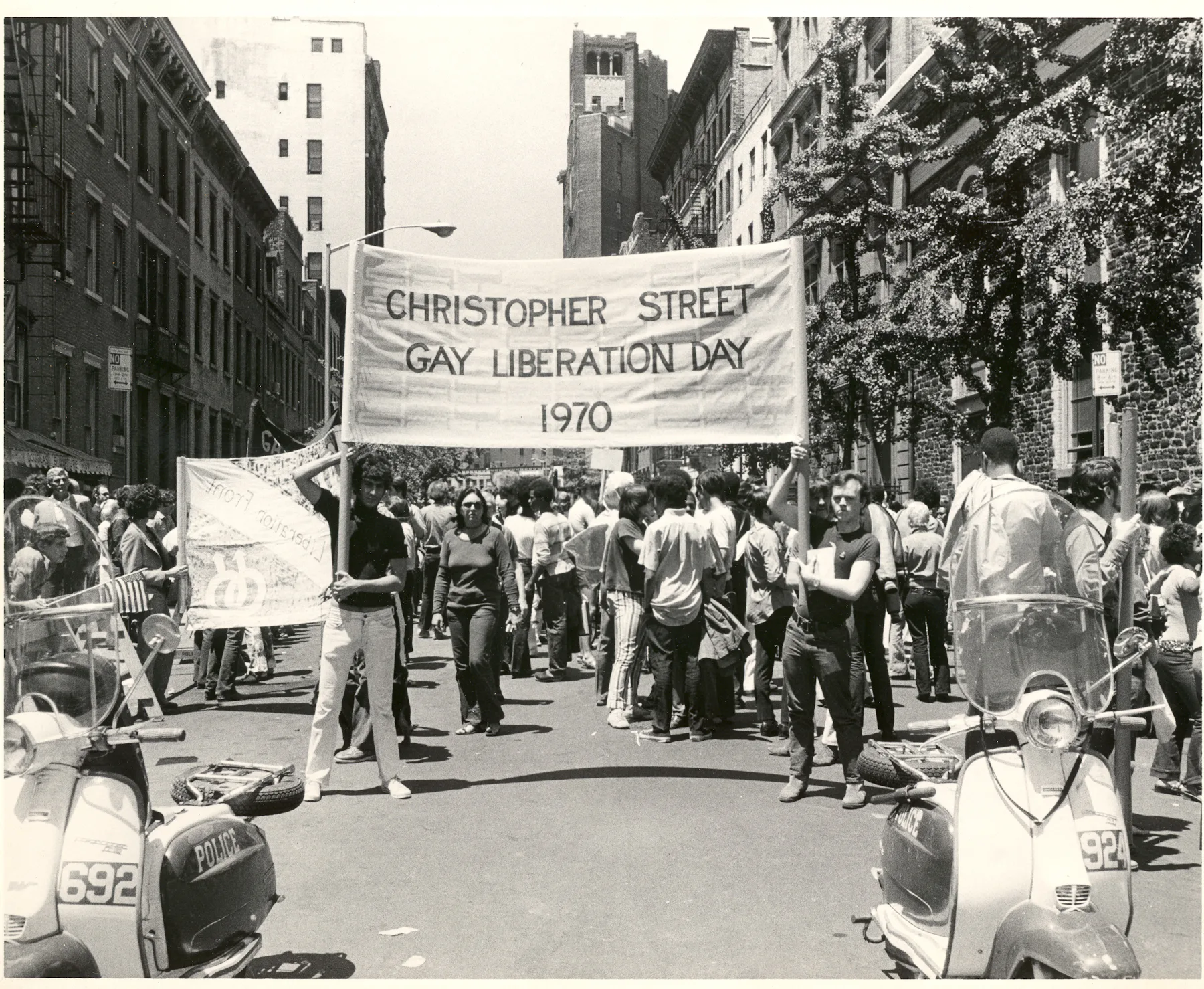
In 1999, President Clinton proclaimed June as Gay and Lesbian Pride Month. On June 1, 2009, President Obama officially declared June as Lesbian, Gay, Bisexual, and Transgender (LGBT) Pride Month, with parades and celebrations taking place on the last Sunday of June.
So, keeping the history in mind, what do I think of when I hear the word pride?
I think of all the people who came before me, the people who made it possible for me to be able to dance in the streets with others in my community. People such as:
Barbara Gittings and Frank Kameny, who fought for the declassification of homosexuality as a mental disorder.
(Credit: American Psychiatric Association)

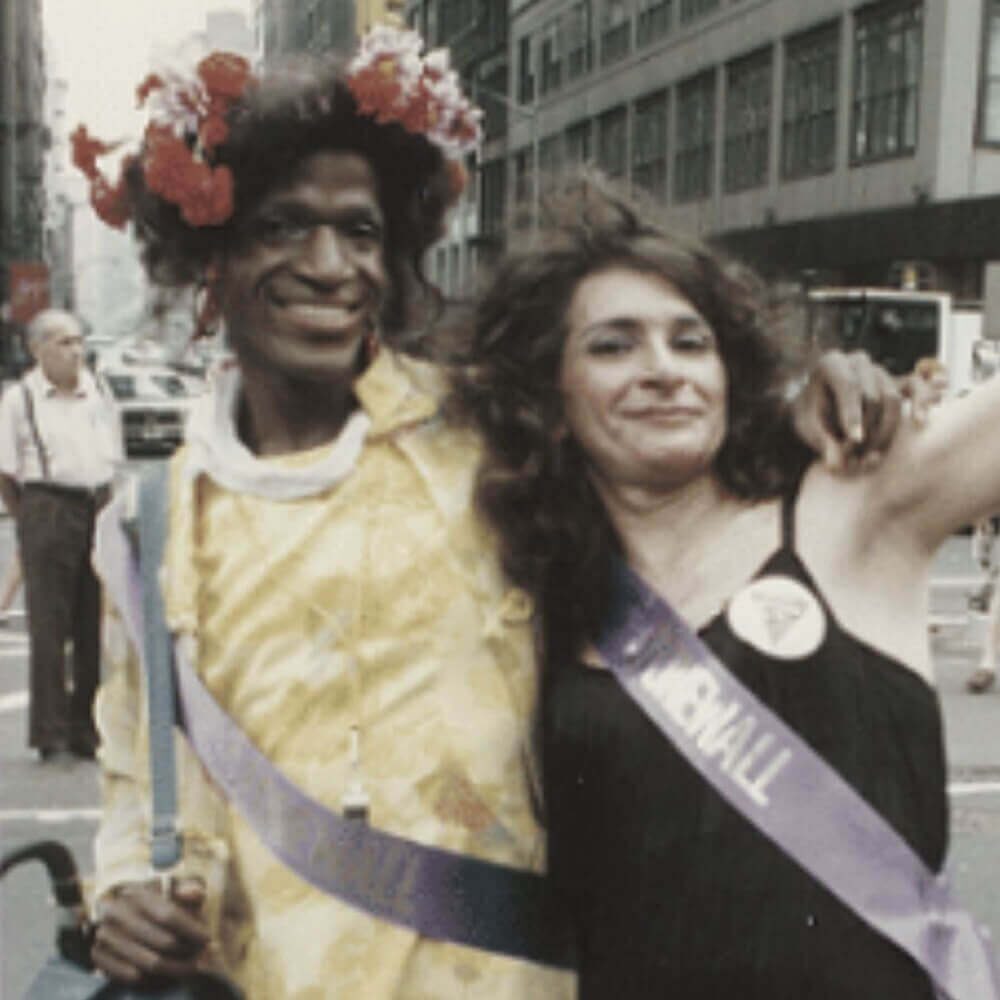
And Marsha P. Johnson and Sylvia Rivera, who fought for transvestite rights and set up the Street Transvestite Action Revolutionaries organization to help homeless queer youth in Manhattan.
(Credit: The National Council for History Education)
And so many more!!
I also asked some of my friends what Pride means to them; here’s what they said:
“For me, pride is about celebrating who you are. It’s a time to be free and be happy. When I was in kindergarten, I went to San Francisco Pride for the first time, not even knowing what sexuality or being gay was. I remember my sister and I drew rainbows on little pieces of paper and passed them out to everyone we saw. I can still remember how happy that made them, and in turn how happy it made me feel. In recent years, since I’ve identified more closely with the community, it’s been exhilarating to be at Pride, in a space where everyone is unapologetically themselves. Pride is a time to celebrate, dance, and be surrounded by people like you. It’s a safe space. That being said, I don’t think you necessarily have to be queer to go to Pride. As long as you accept us for who we are, we will accept you.”
– Divi, Gay
“It’s impacted me so much because it showed me that love doesn’t have to be put in a box. I can’t even imagine what my life would be like without my diverse set of friends or my girlfriend. If I stayed in that box out of fear, I would’ve never known true love, and that thought makes me really sad. People deserve to feel the full extent of true love.”
– Emily, Lesbian <3
“I love the people I have met and how special it is to have people who make you feel so connected to yourself. Celebrating Pride in Portland, LA, and San Francisco taught me that being Bi isn’t something I have to explain or shrink down to fit someone else’s idea of what it should look like. It’s just mine.”
– Olivia, Bisexual
“For me, pride means being able to live your authentic life and celebrate it with the people you love. Pride is a reminder that you are not alone in the world, and that love is everywhere!”
– Sofia, bisexual
All in all, Pride is a celebration of you. A celebration without judgement where you are surrounded by those who love and accept you for who you are.

But I’m not saying it should end here. There is still loads of work to be done by us and future generations. Pride shouldn’t be confined to just one month – the LGBTQ+ community deserves to feel welcomed and safe no matter the day of the year.
To note, this history is narrowed to Pride in the U.S. Many other countries have their own Pride beginnings or haven’t had a chance to spark that flame. The LGBTQ+ community spreads far and wide, and it is up to us to stand up for those who cannot.
There is still so much more information and history out there! Check out these resources and be a part of the change:
The Little Book of Pride by Lewis Laney
Article by Ava Brandt
Resources:
Laney, Lewis. The Little Book of Pride. Vol. 1, Dog “n” Bone, 2026.